
| Name | Picture | Macros |
|---|---|---|
| Whole Eggs |  |
|
| Salmon | 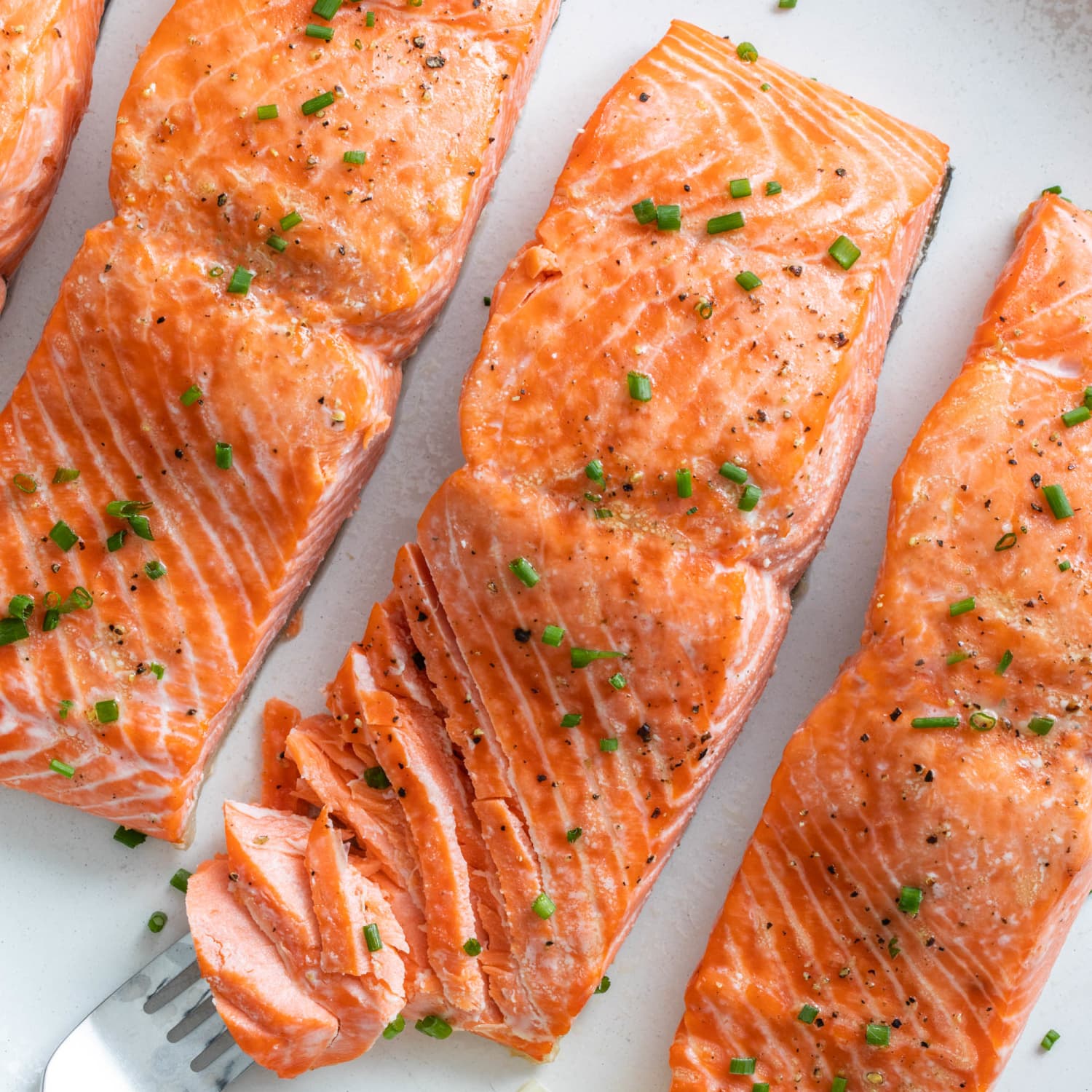 |
|
| Tuna |  |
|
| Avocados | 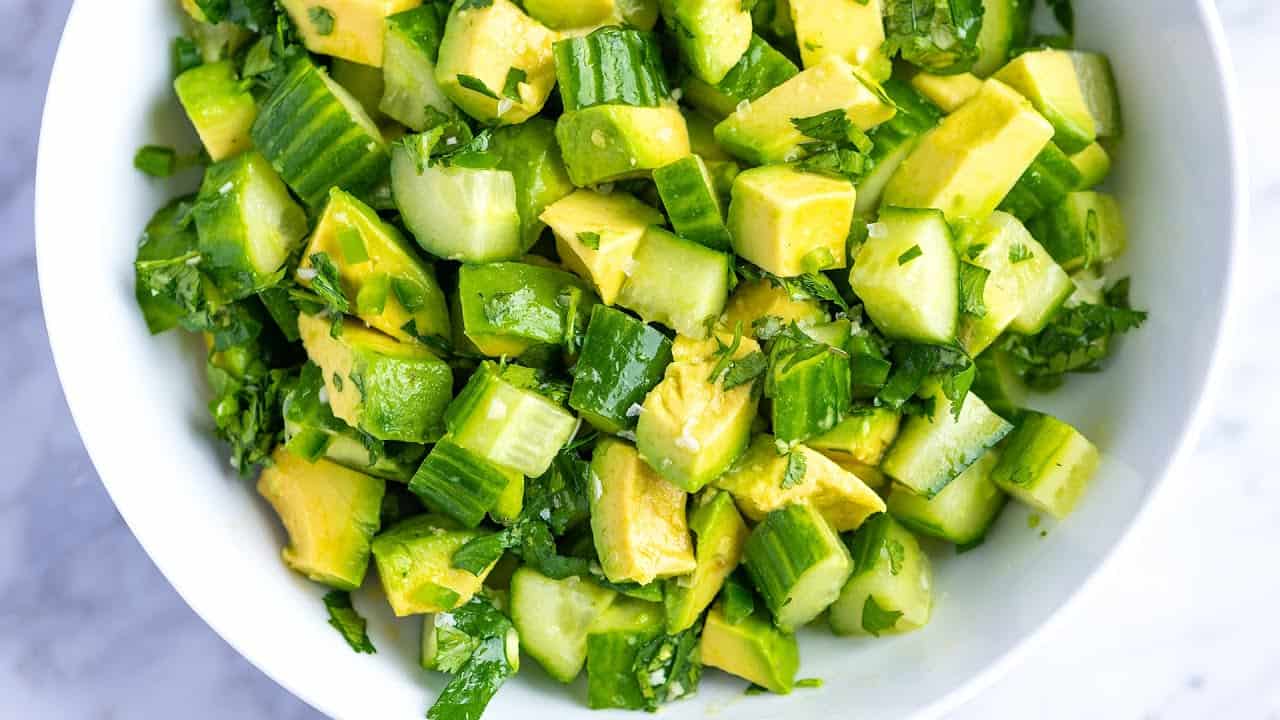 |
|
| Greek Yogurt |  |
|
In conclusion, proper nutrition is the foundation of good health, influencing everything from energy levels and immune function to mental clarity and overall well-being. By focusing on a balanced diet that includes a variety of whole foods—such as fruits, vegetables, lean proteins, healthy fats, and whole grains—you provide your body with the nutrients it needs to thrive. It’s important to remember that there is no one-size-fits-all approach to nutrition. Your individual needs may vary depending on age, lifestyle, and specific health goals, so it’s essential to listen to your body and make adjustments as necessary. With the right mindset and knowledge, you can adopt healthy eating habits that not only support your physical health but also contribute to a more vibrant and fulfilling life.
Ultimately, nutrition is not just about the foods you eat, but about creating a sustainable approach to how you nourish your body. Small, consistent changes in your diet can have a profound impact over time, helping you achieve your wellness goals and prevent chronic health conditions. Whether you're looking to lose weight, gain muscle, improve energy, or simply feel better overall, taking the time to educate yourself about nutrition and making mindful food choices can help you live a healthier, happier life. Keep in mind that nourishing your body is an ongoing process, and the key to success is to find a balanced routine that works for you—one that you can maintain in the long term for lasting health and well-being.